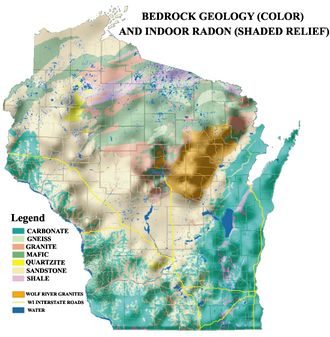
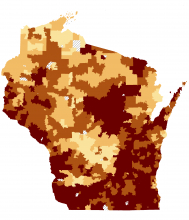
Wisconsin Radon Map Shows Testing in Tomahawk and throughout the state
5 Radon Mitigation Steps
1. Get radon testing for your home
It is so important for residents to know what their radon level is. The only way to know what this measurement exists in the home is to conduct a radon test. Radon testing can be done by homeowners or by hiring a professionally trained and certified radon measurement company. If the radon sampled, comes back elevated, meaning any level over 0.4 pCi/L, should consider radon mitigation to reduce risk from this cancer-causing gas.
2. Find a radon mitigation system contractor
Experience is the best way to choose a radon mitigation contractor. Knowledge concerning how radon enters the home is key to designing a radon mitigation system. Your contractor should be able to analyze the testing results and determine what type of radon system will be needed to produce a successful radon abatement.
3. Prepare for the radon mitigation system
One a radon reduction company has been chosen, it will be the homeowner’s responsibility to make sure the area has been cleared and ready for installation. When a radon mitigation specialist arrives at the home, the area to be mitigated will be expected to be de-cluttered, cleaned and cleared. The mitigator will layout the system and begin the installation upon arrival.
4. Radon mitigation system installation
Really the best thing a homeowner can do is to get out of the way and let the radon mitigation crew install the system. The process will consist of drilling into the basement or garage floor, then erect piping. The piping will run through the home, tucked in the walls. It will then be taken through the roof. A fan will be placed on the pipe to evacuate radon gas. Sometimes a sump pump is utilized in the process. There are some radon mitigation systems that are installed on the outside of the home.
5. A post mitigation test after installation
Once the radon remediation is complete. The homeowner should wait 24 hours at a minimum, before post-radon testing should begin. The post-radon test will work just like the initial pre-mitigation radon testing. Once the test is complete and radon levels are reduced below 0.4 pCi/L, the radon mitigation process is complete.
What has research shown?
Research has shown that lung cancer has the lowest survival rates of the ten most common cancers and fast the EPA estimates that over 21,000 people die each year from lung cancer caused by radon exposure and that's that is over 50 people per day who died because they were exposed to elevated rate.
We at Tomahawk Radon, urge all residents in Tomahawk to take Wisconsin's radon problem seriously. Just one phone can get the ball rolling to schedule one of our certified radon testing technicians to measure and sample the radon in your home, business or school. No one is safe from radon unless it is tested and if elevated, reduced to below action levels. Tomahawk Radon Mitigation & Testing can do both.
Radon Mitigation in Lincoln County may be Needed in 47% of Tomahawk Homes
